

Spray painting has become a favored and versatile technique for both creators and hobbyists alike. It opens up endless possibilities for creativity, allowing people to transform everything from empty walls to home decor with just a few strokes of the spray can or gun. Whether you are looking to add a splash of color to your living space, create an elaborate mural, or simply give new life to vintage pieces, mastering the art of spray painting can bring your projects to a whole new level.
In this definitive guide, we will explore all you need you need to know about creating gorgeous spray paint murals and achieving high-quality finishes. From selecting the right spray paint and preparing surfaces to avoiding common mistakes and understanding essential tools, you will gain insights that inspire you to approach any spray painting project with confidence. Let’s dive into the world of spray painting and unlock the keys to making your artistic vision a reality.
Essential Techniques for Using Spray Paint
To reach impressive results with spray paint, mastering essential techniques is crucial. One of the most essential techniques is maintaining a steady distance from the surface while spraying. Ideally, you should hold the spray can about six to twelve inches away from the surface to get an even coat. This distance aids to regulate the spray pattern and avoids excessive buildup of paint that can lead to drips. Moreover, employing steady, gliding motions while spraying will guarantee that the paint is spread evenly across the surface.
Another important technique is applying your paint. Instead of trying to paint the area in one thick coat, spray several thin coats, letting each one to harden before adding the next. This method decreases the chance of runs, while also producing a more long-lasting and flawless finish. Additionally, varying the rate of your spray movements can assist to regulate how much paint lands in different areas, allowing you to achieve depth and texture in your mural.
Finally, surface preparation cannot be overlooked. Before starting any spray painting project, it's essential to prepare and, if necessary, sand the surface for improved adhesion. Applying a primer can also greatly enhance the final result by providing a even base for the paint. Taking the time to properly prepare your surfaces will not only improve the quality of the paint job but will also lengthen the duration of your mural.
Frequent Pitfalls along with Ways to Prevent Such Issues
The the most common issues faced by both beginners as well as seasoned spray painters is inadequate surface preparation. Skipping this critical step can result in bad adhesion and an uneven finish. To avoid this mistake, verify that the surface is free of debris, not wet, and devoid of dust, grease, and old paint. Smoothing Best Kitchen Respraying and Spraying West Yorkshire can also offer a better grip for the spray paint, ultimately yielding a smoother application.
A further common pitfall is applying too much paint in one go. Over-saturating the surface can result in drips and runs, ruining your project. To avoid this situation, utilize multiple thin coats as opposed to a single heavy layer, allowing each coat to set before applying the next. Kitchen Respraying And Spraying Knottingley West Yorkshire enhances the finish but also reduces the likelihood of paint defects like streaks or unevenness.
In conclusion, failing to wear proper safety gear is a mistake that can have grave health consequences. Many spray paints give off harmful fumes that can irritate the lungs and skin. Make sure to wear a mask and protective eyewear when spraying indoors or in poorly ventilated areas. This will help ensure a safe working environment and allow you to devote your attention to achieving your desired goals without health concerns.
Protection and Care for Spraying Paint
As you engage in spraying paint, safety should always be your top concern. Ensure you are working in a well-ventilated area to avoid inhaling harmful fumes. Wearing a respirator specifically designed for painting, along with safety glasses and hand protection, will protect you from both inhalation and skin exposure. Moreover, it is important to have a fire extinguisher close at hand, as spray paint is highly flammable and can pose a significant risk in enclosed or poorly ventilated areas.
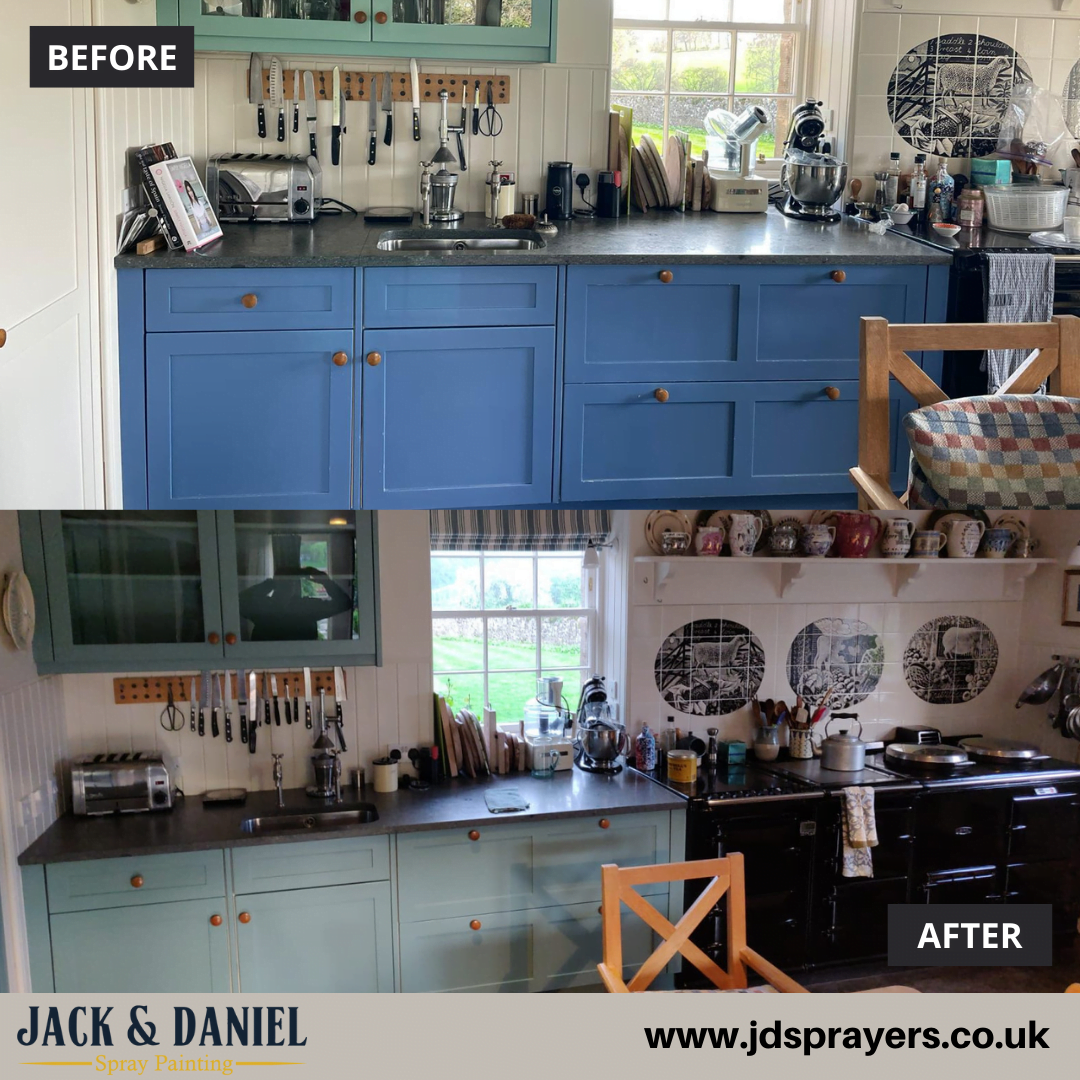
Regular care of your spray painting equipment is vital to achieving optimal results. After each use, sanitize the nozzle and the internal parts of the spray gun to stop paint buildup, which can impact performance. Apply the appropriate cleaning solvent recommended for the type of paint you are using. Keeping your equipment correctly, in a cool and dry place, will also extend its lifespan and ensure that it is always prepared for your next project.
In conclusion, keeping informed about the newest safety procedures and product updates can greatly enhance your experience with spray painting. Get acquainted yourself with Material Safety Data Sheets (MSDS) for the paint you are using, which provide critical information on hazards and safety precautions. By prioritizing both safety and maintenance, you not only protect yourself but also enhance the efficiency and quality of your spray painting tasks.