

When considering remodeling or designing the home, flooring is one of the most significant choices you'll make. The right flooring not only elevates the visual appeal of your living space but also contributes to the entire functionality and sustainability of the home. With growing School Flooring St Albans about environmental issues, numerous homeowners are now looking for eco-friendly flooring options that reflect their values and reduce their carbon footprint.
In this comprehensive guide, we will explore different sustainable flooring choices, from the pros and cons of hardwood and laminate to the up-to-date trends in eco-friendly materials. If you're in the middle of a remodel or simply thinking about an upgrade, it's essential to think about how each type of flooring impacts your health, the planet, and the value of your home. We'll cover key topics like how to select the right flooring for each room, maintenance tips for various materials, and budget-friendly ideas that don't skimp on style. Get ready to transform your space with flooring that emphasizes beauty and sustainability.
Deciding on the Right Flooring
Deciding on the ideal flooring for your home is a key factor that impacts both appearance and practicality. When evaluating your choices, reflect about the individual requirements of each room. For instance, cooking areas and washrooms require substances that can resist moisture, while living areas may enjoy warmth and comfort. Start by recognizing the function of each room and the level of pedestrian activity it will receive.
Another important factor to evaluate is your daily routine. Households with children and pets may want durable and easy-to-clean choices, such as premium vinyl flooring or tile. On the contrary, if you value comfort, hardwood floors or plush carpets might be the ideal choice. Always weigh the benefits and drawbacks of each material, taking into account care and longevity, to make sure your decision is compatible with your daily life.
Lastly, the aesthetic and hue of your floor covering should match your full decor. From fashionable neutral tones to vibrant statements, your flooring can set the mood for your entire space. Investigate various patterns and textures and details to discover what matches your individual style, and keep in mind that mixing and matching different types can generate visual interest while preserving practicality.
Eco-Friendly Flooring Choices
When think about eco-friendly flooring in your home, options including bamboo, cork flooring, and repurposed wood come to the surface. This plant is a rapidly renewable resource that can develop significantly quicker than traditional hardwoods, thus being a sustainable choice. Cork, which comes from the bark of cork oak trees without harming them, offers natural cushioning and insulation. Reclaimed wood, on the other hand, re-purposes old wood from different structures, offering unique character while minimizing the need for new timber.
Another excellent choice for eco-conscious homeowners is linoleum flooring, made from natural materials like linseed oil, wood flour, and resins. It is eco-friendly, durable, and comes in a wide range of colors and patterns. Additionally, look for flooring products approved by organizations like the Forest Stewardship Council (FSC) or GreenGuard, which ensure the materials used are procured sustainably and have low emissions.
Finally, consider LVP, which is created with sustainability in mind. Many manufacturers now produce LVP using recycled content and environmentally friendly processes. This type not only resembles the look of natural materials but also offers durability and ease of maintenance, thus being suitable for busy households. By choosing these eco-friendly flooring options, you can design a stylish home while reducing your environmental footprint.
Maintenance and Installation Guidelines
Proper maintenance of your flooring can extend its durability and keep it looking new. For wood flooring, regular sweeping and periodic mopping with a moist cloth can remove dust and grime without causing damage. Composite and plastic flooring benefit from comparable care, but ensure to use pH-neutral cleaners to avoid warping or fading. For https://telegra.ph/Top-Flooring-Trends-for-2023-What-is-Out-04-01 , frequent vacuuming is essential to stop dirt buildup, and expert cleaning every twelve to eighteen months can remove deep-seated stains and allergens.
When putting in new flooring, planning is vital. Make sure the underlayment is clean, dry, and level to avoid complications later on. For hardwoods, adjusting the materials to the room's temperature and humidity can stop warping. If you're considering DIY setup, acquaint yourself with the specific needs of your chosen flooring type, as each material may have different requirements. Furthermore, having the appropriate tools on site will make the process easier and more efficient.
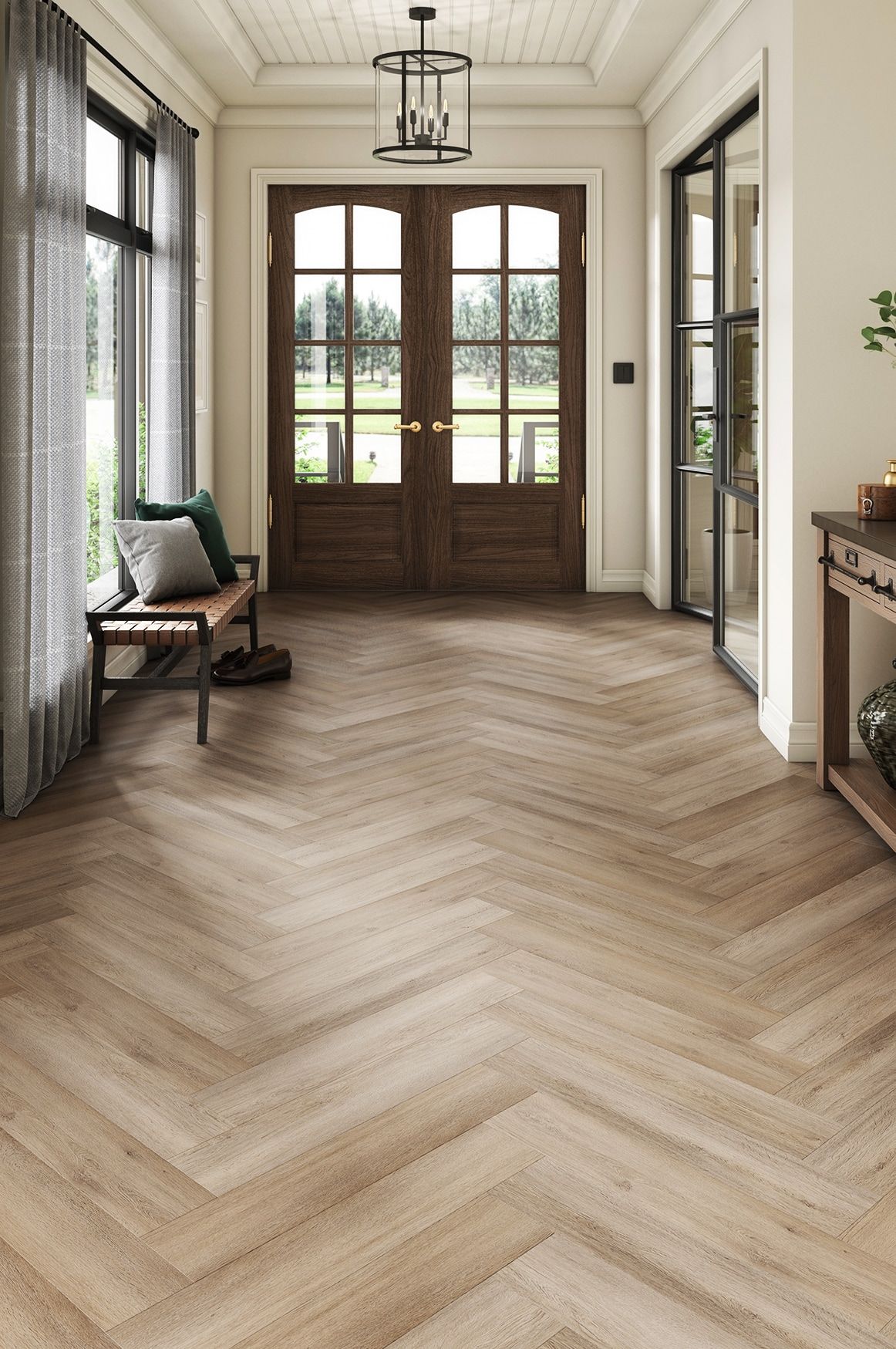
If you're opting for professional installation, consider engaging experts who focus in the type of flooring you're installing. They can provide insight into the best practices and make sure that the job is completed properly and securely. Discuss warranty and maintenance after setup to make sure that you are completely informed about keeping your flooring in top condition. Building a good relationship with your installer can also assist you address any subsequent issues that might come up.