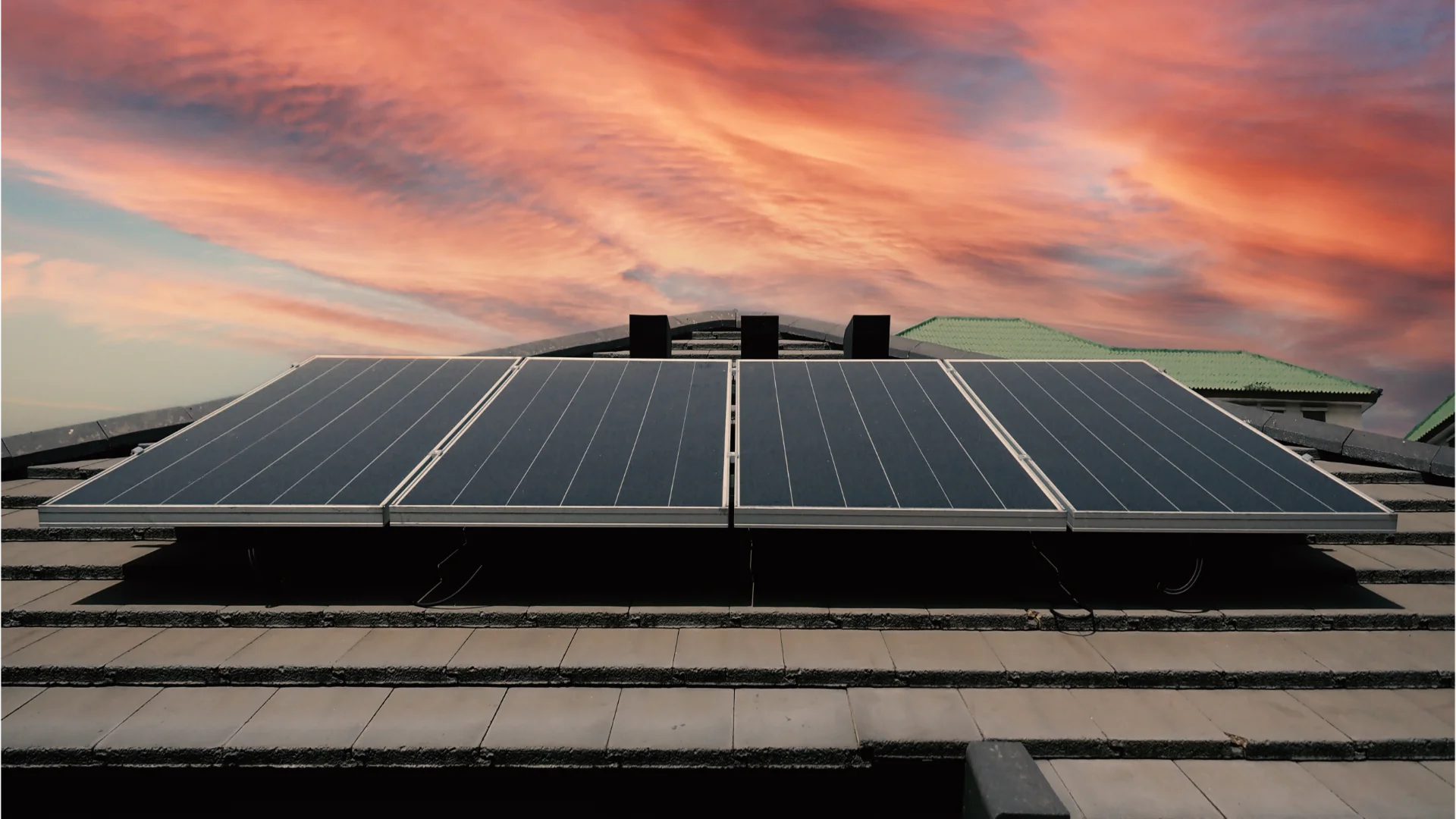
Recently, photovoltaics has emerged as an increasingly important source of sustainable energy, offering not only environmental benefits and substantial cost savings for homeowners. As technology continues to advance and the demand for clean energy grows, more individuals are considering the positive aspects of installing solar panels on their properties. From lowering energy costs to cutting down on carbon footprints, the reasons to adopt solar energy are persuasive and diverse.
This article seeks to guide you through different dimensions of solar panels, addressing typical concerns and topics while exploring the evolution of solar technology. If you are a homeowner considering the shift or merely interested about the functionality of solar panels, this comprehensive overview will arm you with the knowledge needed to harness the sun's energy in an effective and efficient manner.
Benefits of Solar Power
Solar power offers many advantages for households and the ecosystem alike. One of the primary benefits is the potential for substantial energy savings. By capturing sunlight, individuals can lower or even remove their electricity bills, based on the size of their solar panel system and energy consumption. With rising energy costs, investing in solar panels can provide long-term financial relief and stability for families.
A further key benefit is the positive impact on the environment. Solar energy is a eco-friendly, renewable resource that helps cut down greenhouse gas emissions and reliance on fossil fuels. By installing solar panels, homeowners contribute to a more sustainable future and take action in combating climate change. This transition to clean energy not only benefits the planet but also encourages a more vibrant community by improving air quality and minimizing pollution.
Additionally, installing solar panels can enhance property value. Homes equipped with solar energy systems often attract more buyers and can fetch a premium compared to similar homes without solar. As the demand for renewable energy sources keeps to rise, having a solar panel system becomes an attractive feature, making it a prudent investment for homeowners looking to enhance their property value and appeal in the housing market.
Pricing and Benefits
Putting money in solar panels may appear challenging, but comprehending the financial benefits can ease the choices journey. One of the key attractions of solar energy is the significant savings on monthly electricity bills. With solar panels in place, homeowners can reduce or completely remove their dependence on grid power, resulting in substantial savings over time. Depending on power usage and the scale of the system, many homeowners indicate savings that may vary between hundreds to thousands of dollars each year.
Additionally, the beginning investment of installing solar panels has been decreasing due to improvements in technology and economies of scale. By 2026, the actual price of solar panel installation is projected to become even more affordable, especially with available government incentives and tax credits. Homeowners may additionally reduce their expenses with financing options that allow for manageable monthly payments, making solar energy more accessible for a wider audience.
Moreover, the value that solar panels bring to a home is significant. Studies indicate that homes that have solar energy systems tend to fetch higher prices than their traditional counterparts. This rise in property value, coupled with long-term savings on energy costs, makes putting money into solar panels a wise decision for many homeowners looking to enhance their property and secure a more eco-friendly future.
Photovoltaic Panel Upkeep and Upgrades
To secure maximum performance and longevity of your solar panels, regular maintenance is necessary. Start with Click to find out more as keeping the panels clear of debris. Dust, leaves, and debris can build up on the surface, diminishing their efficiency. A light wash with water and a non-abrasive brush is usually sufficient. Additionally, check the panels periodically for any signs of damage, such as cracks or loose connections. Monitoring the inverter's performance can also help you detect any issues early on.
Upgrading your solar system can significantly enhance its efficiency and output. As technology advances, newer panels may offer superior performance than your current ones. If your first setup is more than five years old, researching the latest advancements in solar technology might show options for better efficiency rates and improved warranties. System upgrades, such as adding more panels or implementing energy storage solutions, can optimize your energy usage and utility savings.
Finally, consider the environmental conditions your system faces. In areas with significant snowfall or common storms, more reinforcements may be necessary. Investing in protective measures can also prevent potential damage during extreme weather. Keeping up-to-date of manufacturer recommendations and industry best practices will ensure your solar panels perform at optimal performance while extending their lifespan.