

As we navigate the challenges of the modern world, one undeniable truth emerges: how we handle waste is of utmost importance. The growing volume of waste produced by homes, businesses, and industries poses major difficulties that demand immediate attention. Proactive waste management is more than just essential for keeping things clean; it is a key component of environmental sustainability and Ecological responsibility. By rethinking our waste strategies, we can set the stage for a healthier tomorrow, characterized by efficient resource use and our environmental footprint is greatly diminished.
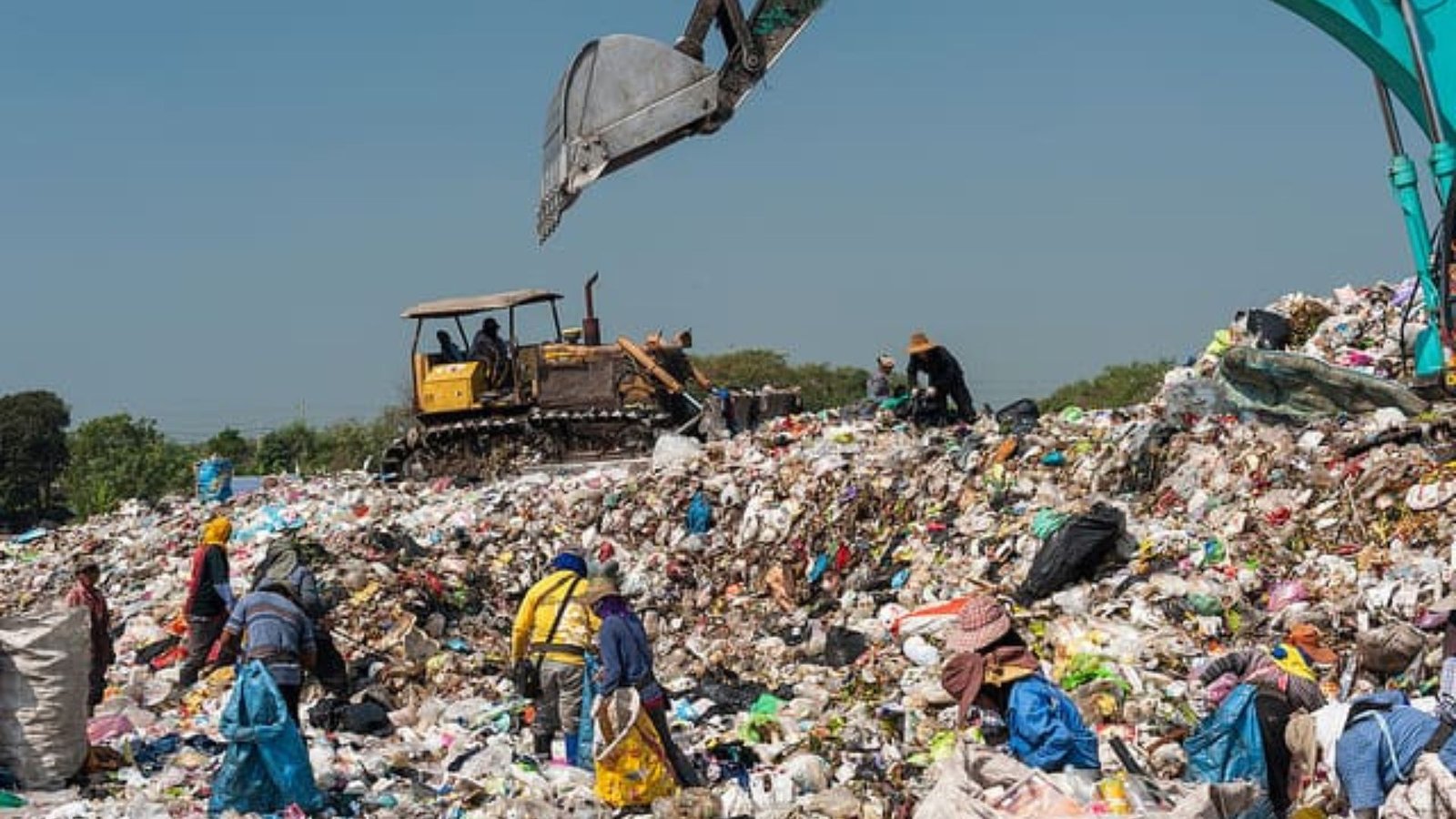
In this guide, we are going to examine a number of waste management approaches that meet various requirements and contexts. From understanding the fundamentals of waste separation to exploring advanced technologies revolutionizing the sector, we aim to provide you with the knowledge and tools necessary to upgrade waste management practices. If you are a business leader seeking to adopt sustainable strategies or a property owner seeking to reduce waste and reduce costs, the guidelines outlined here will help illuminate the path ahead in our shared quest for a cleaner, greener planet.
Practical Refuse Disposal Techniques
Utilizing efficient trash management methods stands as important in cutting the volume and effects of waste created. One key strategy involves trash separation, which means separating trash at the beginning into materials for recycling, green trash, dangerous materials, and ordinary refuse. By informing citizens and organizations on the importance of this procedure, we can significantly boost recycling rates and reduce contamination in recyclables materials. Proper separation not just boost recycling efficiency but also encourages thoughtful consumption behaviors, ultimately cultivating a society of eco-friendliness.
Another approach is applying technology into trash management processes. Developments such as intelligent bins that track refuse volumes and optimize pickup plans can greatly lower management costs and enhance effectiveness. Additionally, applications that track waste generation and removal can assist organizations perform detailed trash audits, spot parts for enhancement, and create specific refuse cutback plans. By utilizing technology, organizations can more effectively study their refuse production patterns and execute more efficient strategies that conform with environmental objectives.
Composting is also a powerful method for managing green trash, promoting nutrient recycling, and cutting back on dump contributions. Residential areas and companies can establish composting facilities to convert edible waste and garden trash into beneficial compost for gardens. This action not only lessens refuse and also enriches the soil, minimizing the requirement for artificial additives. By fostering a practice of composting within societies, we can promote sustainable awareness while adding to the broader goal of refuse reduction and environmental responsibility.
Creative Garbage Minimization Strategies
As businesses and homes increasingly realize the significance of eco-friendly practices, new waste management techniques have emerged as essential methods. One impactful approach is adopting a zero waste approach, which promotes people and groups to minimize waste generation at the source. This involves reconsidering product design, reducing packaging, and using materials that are sustainable and readily recyclable. By emphasizing resource conservation and choosing for products that can be repurposed or repurposed, waste generation is greatly minimized, leading to a more responsible consumption model.
Soil enrichment through composting is another creative technique that turns organic waste into a useful resource. Households and establishments can adopt composting systems to separate food scraps and yard waste from disposal facilities. This not only decreases the volume of waste but also produces nutrient-rich compost that can improve soil quality and promote healthier plants. Educating communities about the benefits of composting and providing easy-to-use resources can significantly enhance participation and influence on waste reduction.
Furthermore, technology plays a vital role in advancing waste reduction techniques. Smart waste management solutions, such as waste tracking software and sensor-equipped containers, can help monitor waste generation and disposal habits. By utilizing data analytics, businesses can identify areas for enhancement, optimize their waste management practices, and reduce overall waste output. Utilizing these technological advancements fosters a culture of transparency and encourages the continuous adaptation of waste reduction strategies, leading to a more sustainable future.
The Future of Waste Management
As we transition into the next phase, waste management is set for significant transformation driven by technological advancements and a growing awareness of environmental issues. Developments such as artificial intelligence, intelligent sensors, and blockchain solutions are transforming the way waste is collected, managed, and tracked. These advancements not only enhance efficiency but also enhance transparency in waste handling systems, enabling better choices and distribution of resources.
Additionally, the concept of a recycling economy is gaining traction, prompting businesses and localities to reassess waste as a resource rather than a nuisance. Click to find out more promotes methods such as recycling, repurposing, and composting, fostering a more eco-friendly approach to using resources. Awareness and involvement at the community and corporate levels are essential for this shift, as they empower individuals to adopt eco-friendly habits and support sustainable waste management initiatives.
The inclusion of eco-friendly practices into corporate strategies is also shaping waste management approaches. Businesses are increasingly realizing that effective waste management can lead to cost savings, improved brand reputation, and adherence to laws. By utilizing sustainable packaging solutions and developing comprehensive waste reduction plans, companies can contribute to a more sustainable future while also supporting their financial health. As we gaze into the future, the emphasis will be on creating a resilient waste management framework that supports public health, environmental conservation, and economic growth.