

As individuals navigate the complexities of the modern world, an undeniable reality becomes clear: the way we manage waste is more critical than ever. The increasing volume of waste generated by residential areas, commercial entities, and sectors poses major difficulties that require immediate attention. Proactive waste management is not just a necessity for keeping things clean; it is a crucial component of green practices and environmental stewardship. By rethinking https://output.jsbin.com/bizivoqeme/ , we can open the door for a more sustainable tomorrow, characterized by efficient resource use and our environmental footprint is greatly diminished.
In this guide, we will look into a number of waste management solutions that cater to different needs and contexts. From comprehending the basics of waste segregation to exploring advanced technologies shaping the sector, we aim to provide you with the insight and resources necessary to enhance waste management practices. Whether you are a executive aiming to apply sustainable strategies or a homeowner seeking to reduce waste and save money, the concepts outlined here will help illuminate the path forward in our common goal for a cleaner, more sustainable planet.
Effective Trash Management Strategies
Utilizing practical waste management techniques stands as important for cutting the quantity and effects of waste created. One key approach involves refuse segregation, which involves sorting waste at the source into materials for recycling, green trash, dangerous waste, and common trash. By educating citizens and companies on the necessity of this method, we can greatly boost recyclable material recovery levels and lower contamination in recyclable goods. Proper separation does not only enhance recyclable material recovery efficiency and also encourages conscious consumption behaviors, ultimately fostering a culture of sustainability.
Another approach involves incorporating digital tools into refuse management operations. Innovations such as automated waste containers that track waste volumes and optimize collection timing can greatly minimize operational overheads and boost productivity. Additionally, applications that track refuse generation and disposal can help companies carry out thorough refuse audits, identify parts for improvement, and create customized trash cutback plans. By leveraging technology, organizations can more efficiently analyze their trash generation patterns and execute more successful approaches that align with environmental objectives.
Organic waste management adds to a valuable method for dealing with biodegradable waste, supporting nutritional reuse, and cutting back on dump impact. Homes and businesses can establish organic waste recycling systems to transform kitchen waste and yard trash into usable organic matter for agriculture. This method not just lessens trash but additionally enhances the soil, minimizing the requirement for synthetic nutrients. By encouraging a practice of composting within neighborhoods, we can promote environmental action while adding to the broader aim of waste minimization and environmental responsibility.
Innovative Trash Mitigation Strategies
As businesses and homes increasingly recognize the value of green practices, innovative waste management techniques have emerged as crucial methods. One efficient strategy is adopting a zero waste mindset, which motivates people and groups to minimize waste generation at its source. This entails reimagining product design, cutting packaging, and using materials that are long-lasting and readily recyclable. By prioritizing resource conservation and opting for products that can be reused or repurposed, waste generation is greatly reduced, leading to a more sustainable consumption habit.
Soil enrichment through composting is another effective technique that turns organic waste into a beneficial resource. Residents and businesses can implement composting systems to redirect food scraps and yard waste from disposal facilities. This not only cuts down the volume of waste but also produces nutrient-rich compost that can improve soil quality and support healthier plants. Teaching communities about the benefits of composting and providing user-friendly resources can significantly enhance participation and effect on waste reduction.
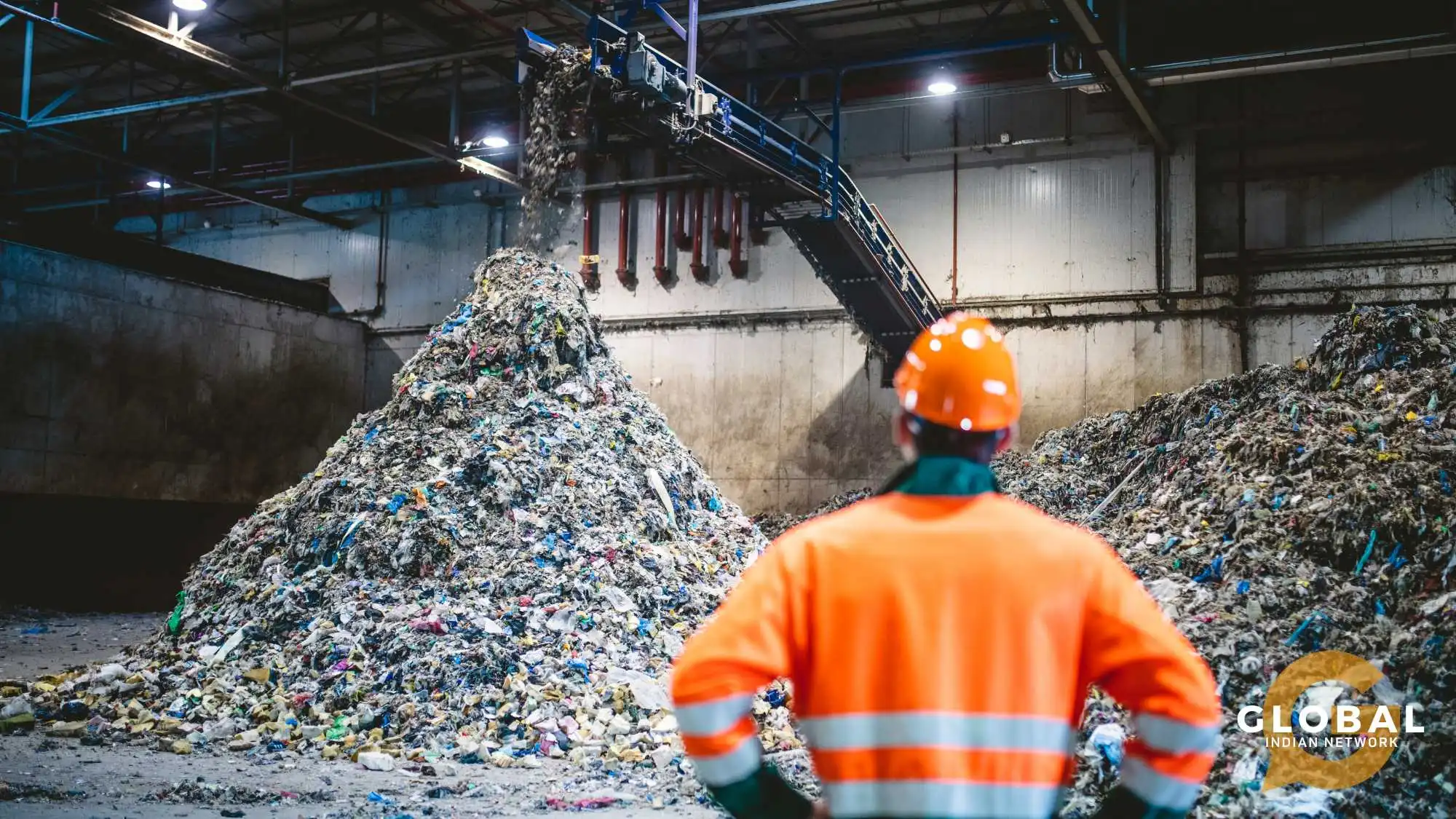
Additionally, technology plays a vital role in advancing waste reduction techniques. Smart waste management solutions, such as waste tracking software and sensor-equipped bins, can help analyze waste generation and disposal trends. By leveraging data analytics, businesses can identify areas for improvement, optimize their waste management practices, and reduce overall waste output. Utilizing these technological innovations fosters a culture of transparency and encourages the continuous development of waste reduction strategies, leading to a more responsible future.
The Future of Waste Disposal
As we move into the future, waste management is poised for major changes driven by technological advancements and a growing awareness of environmental issues. Innovations such as AI, smart sensors, and blockchain technology are transforming the way waste is collected, processed, and monitored. These technologies not only enhance efficiency but also boost transparency in waste management systems, enabling better choices and resource allocation.
Moreover, the concept of a circular economy is becoming popular, encouraging businesses and communities to reassess waste as a resource rather than a burden. This change promotes practices such as material recovery, reuse, and composting, fostering a more sustainable approach to consumption. Education and engagement at the local and business levels are crucial for this shift, as they empower individuals to adopt eco-friendly habits and support sustainable waste management initiatives.
The integration of sustainability into corporate strategies is also shaping waste management approaches. Companies are increasingly recognizing that effective waste management can lead to financial benefits, better public image, and adherence to laws. By adopting sustainable packaging methods and creating comprehensive waste reduction plans, companies can contribute to a greener future while also supporting their bottom line. As we look ahead, the focus will be on creating a robust waste management framework that supports community wellness, environmental conservation, and financial growth.