

The beauty and elegance of natural stone have enraptured people for centuries, serving as a testament to enduring craftsmanship and timeless design. However, over time, stone surfaces can turn worn, stained, and damaged, reducing their aesthetic appeal and structural integrity. Stone restoration emerges as an essential process, enabling homeowners, property managers, and business owners to restore the charm of their stone surfaces and at the same time maintaining their value and longevity.
In this journey through stone restoration, we will examine the various aspects of this skilled practice. From understanding what stone restoration entails to identifying common signs that your surfaces need attention, we will discuss everything you need to know. Whether it’s marble stone, granite stone, or travertine stone, restoring natural stone not only enhances its look but also protects it from additional harm. Join us as we explore in detail the techniques, benefits, and best practices related to stone restoration, ensuring your stone surfaces can shine brightly for years to follow.
Comprehending Restoration of Stone
Restoration of stone is the procedure of repairing, sanitizing, and maintaining genuine stone surfaces to restore their true beauty and usefulness. It entails a selection of techniques tailored to the particular type of stone, including marble, granite, travertine, and limestone. Restoration not only improves the aesthetic appeal of stone but also lengthens its lifespan, making it a worthwhile commitment for homeowners and property managers too.
The importance of restoration of stone lies in its ability to revitalize surfaces that have been damaged by erosion, natural elements, or poor maintenance. Common concerns such as engraving, scratches, stains, and dullness can detract from the overall appearance of stone surfaces and cause expensive overhauls if not addressed timely. By restoring Extra resources , you not only enhance its look but also safeguard its integrity and prevent further deterioration.
Grasping the restoration of stone process is essential for property holders who aim to maintain their property. This method typically includes comprehensive cleaning, fixing any cracks or chips, polishing the surface, and sealing the stone to safeguard it from future damage. Each stage requires a careful approach to ensure the optimal results, making it crucial to depend on specialized services for effective restoration that satisfies the distinct requirements of your stone surfaces.
Expert vs. DIY Restoration
When it comes to stone restoration, many property owners find themselves weighing the pros and cons of specialized services against the draw of a DIY approach. Though DIY restoration may appear like a cost-effective solution, it can sometimes lead to unsatisfactory results if appropriate techniques and tools are not utilized. Stone materials have specific characteristics that require in-depth knowledge to manage effectively. Overlooking to recognize the correct cleaning agents and methods can result in damage rather than restoration.
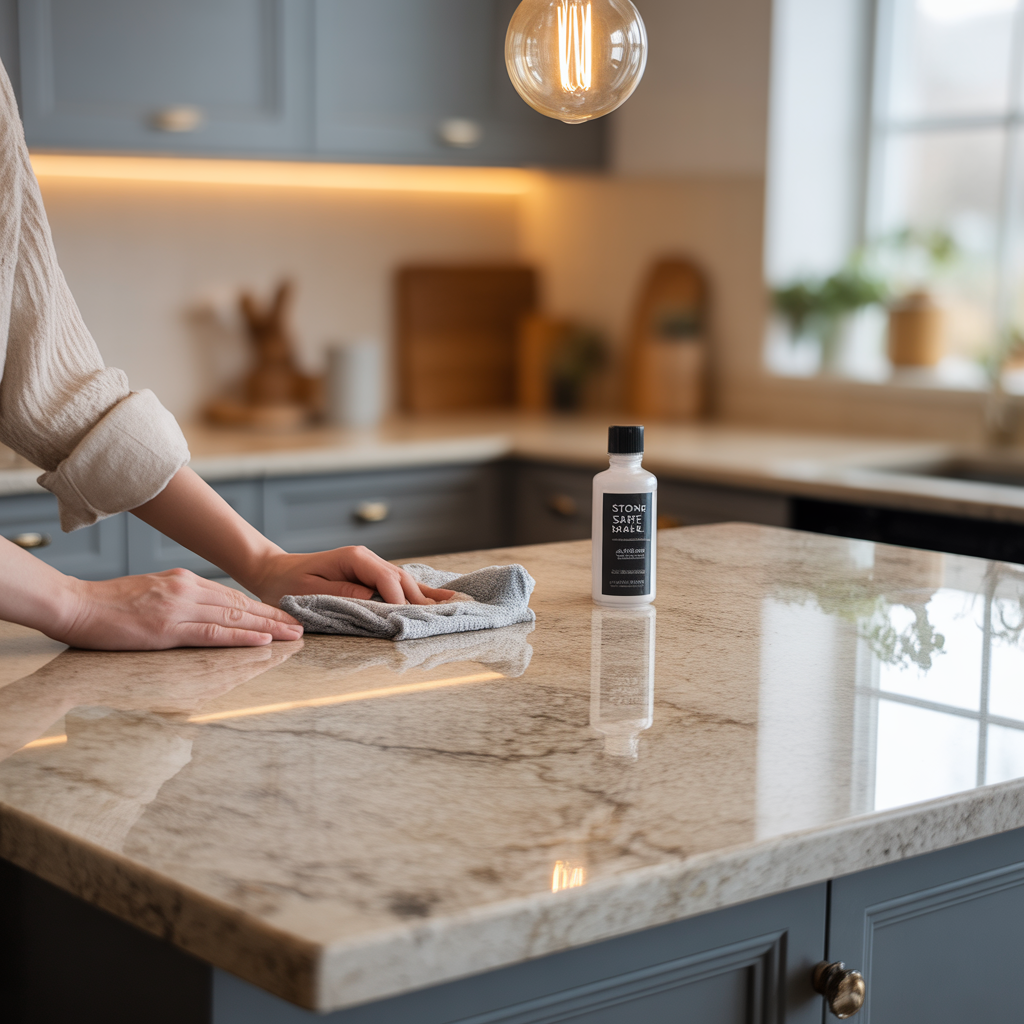
On the other hand, employing a certified stone restoration expert brings a abundance of experience and skill to the table. Professionals are trained to identify specific issues with different types of stone surfaces, whether it's marble, granite, or travertine. They comprehend the nuances of each material, along with the newest techniques and products that can rejuvenate the stone without causing harm. This expertise not only ensures a higher quality of restoration but also improves the longevity of the stone surfaces.
In the end, while the draw of DIY restoration is reasonable, the risks often outweigh the benefits. Poorly executed restoration efforts can lead to expensive damage and the need for specialized intervention later on. By spending in expert services, property owners can achieve impressive results, safeguarding their investments and enjoying the beauty of their stone surfaces for a long time to come.
The Influence of Refurbishment on Property Value
Putting money in stone restoration can significantly increase the total worth of a property. Properly cared for stone features create a aesthetic charm that can draw in potential purchasers and renters. Real estate units with immaculate stone elements tend to be noticeable in competitive markets, leading to faster sales and potentially higher bids. Purchasers often perceive refurbished stone as a reflection of continuing care, suggesting that the entire property has been well cared for.
In addition to aesthetic benefits, stone refurbishment can also enhance functionality. For example, restored flooring or countertops not only appear more appealing but also endures longer and performs more effectively. Addressing issues like blemishes, scratches, or damage to structure before they escalate can save homeowners from costly fixes later on, increasing the rationale for the outlay in professional restoration services. These enhancements contribute to a strong return on investment, particularly in upscale areas where luxury finishes are highly valued.
In conclusion, real estate units that feature premium stone materials, such as granite or granite, often command higher prices. A well-executed refurbishment can elevate the property’s standing and enable sellers to promote it as a luxury listing. Additionally, the long-term effects of stone restoration contribute to lower maintenance costs and increased durability, bolstering the property's attractiveness to discerning buyers looking for excellence and resilience. In the end, natural stone refurbishment is not just about aesthetics; it is a strategic improvement that can considerably affect real estate worth.