

As the world steadily moves to renewable energy options, solar power has emerged as a leading choice for homeowners looking to reduce their energy bills and decrease their carbon footprint. However, in spite of its growing popularity, there are many fallacies about solar panels that can discourage potential adopters. In this write-up, we strive to debunk some of the most common myths about solar panels and provide you with the essential information you need to form an informed decision.
From understanding how solar panels work to investigating the financial benefits of installation, we will discuss a wide range of topics that demystify this powerful technology. We'll also examine the latest innovations in solar energy, the environmental effects of transitioning to solar, and address frequently asked questions to help you find your way through your solar journey. Whether you are a homeowner thinking about a solar installation or merely curious about this booming industry, this guide is designed to equip you with the knowledge that renders solar power accessible and attractive.
Benefits of Solar Energy
A primary advantages of solar energy is its potential for substantial cost savings on electricity bills. By utilizing sunlight, homeowners can produce their own electricity, diminishing reliance on traditional utility companies and their changing rates. In numerous instances , solar panel systems can pay for themselves within a few years through energy savings , especially with the available tax incentives and rebates. This financial advantage makes solar power an attractive option for numerous households looking to minimize their monthly expenses.
An important advantage of solar energy is its positive impact on the environment. Solar power is a renewable energy source, which means it helps minimize greenhouse gas emissions and fight against climate change. By switching to solar, homeowners contribute to a reduction in air pollution and the preservation of valuable natural resources. This change not only benefits the planet but also advances the global movement towards sustainable living.
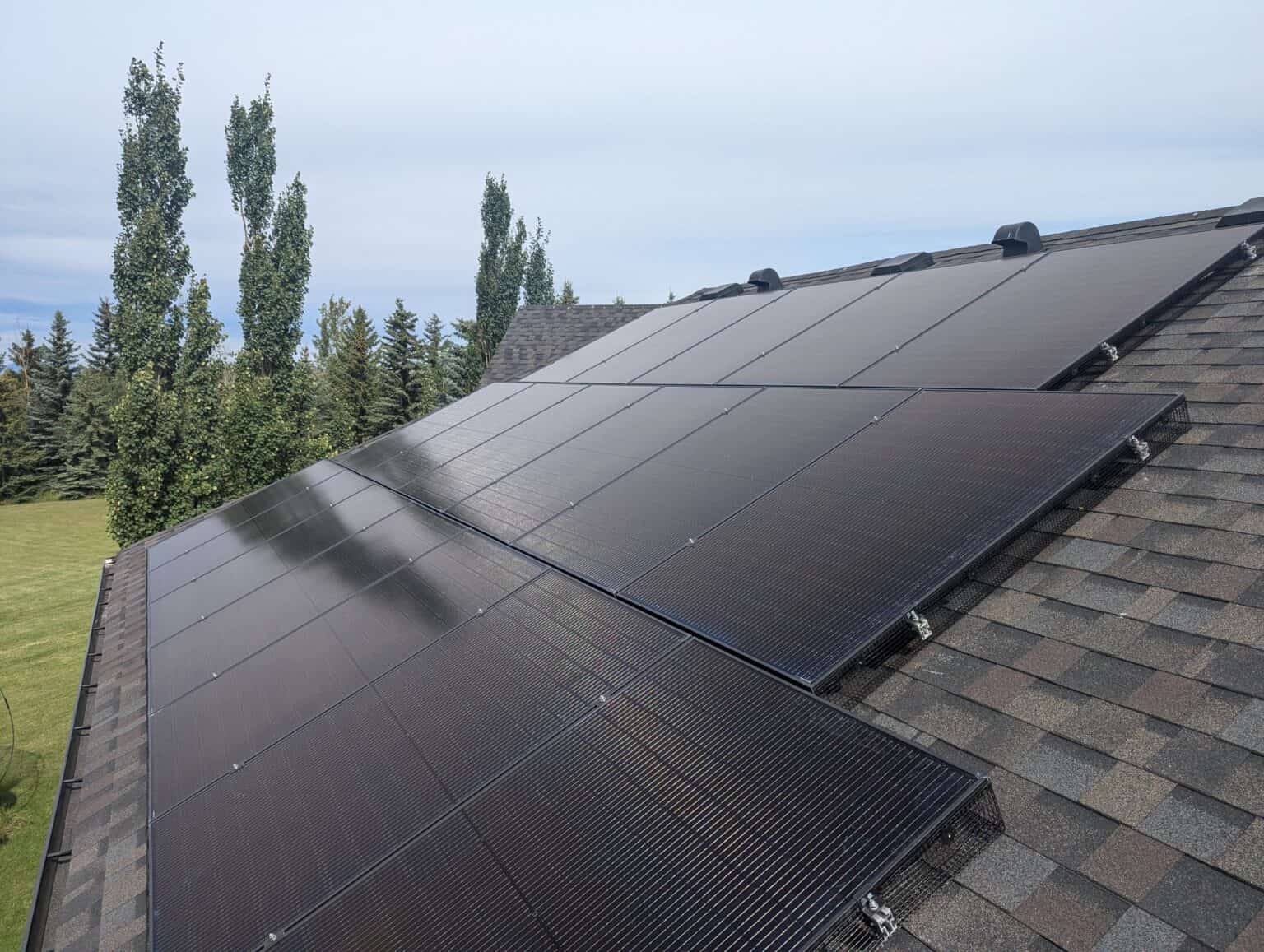
Lastly, putting in solar panels can enhance the value of a property. Properties equipped with solar energy systems are often seen as more appealing to buyers, primarily due to the promise of reduced energy costs and the environmentally friendly aspects of solar power. As awareness of the benefits of renewable energy grows, properties with solar installations are predicted to be more sought after , making them a prudent investment for homeowners looking to improve their property's marketability.
Grasping Solar Panel Expenses
As you think about solar panels for your home, the primary considerations that emerges is the upfront cost needed. The expenses of solar panel systems can fluctuate considerably based on various factors, including the dimension of the system, kind of panels, installation complexity, and community pricing. Generally, homeowners can expect to pay ranging from $15,000 to $30,000 for a domestic solar panel installation, contingent upon these variables. Additionally, key incentives, such as government tax credits and local rebates, can significantly reduce the initial expenses.
Financing options also are crucial in how homeowners manage solar panel expenses. Many people opt to fund their solar panel systems through credit or leases, enabling them to spread out the expense over time. https://mcmahon-schack-3.federatedjournals.com/enhancing-effectiveness-advice-for-improving-your-solar-panel-output can make solar energy more accessible for those who lack the capital to invest initially. Comprehending the different financing options and how they affect monthly payments can help homeowners make informed decisions about going solar.
Ultimately, while the first costs are a significant factor, it's crucial to think about the sustained savings that solar panels can provide. By creating their own electricity, homeowners can significantly reduce their monthly utility bills, which can lead to substantial savings over the lifespan of the system. In addition, the rising value of homes with solar installations can further justify the investment. Evaluating both the costs and long-term benefits is essential for anyone contemplating solar energy for their property.
Frequent Misconceptions Concerning Solar Panels
Numerous individuals are under the impression suggesting that solar energy panels are only effective within sunny climates. Although it is accurate showing that sunlight is essential for the production of solar energy, new solar energy panels can capture light even during gloomy days. State-of-the-art technology enables them to convert diffused sunlight into usable energy. Consequently, which means that individuals with homes in different areas, including those with less sunny weather, are still able to benefit from solar solutions.
One more widespread misconception claims that solar energy panels require extensive maintenance but they are also expensive to maintain. In fact, solar panels are created to be long-lasting and require little maintenance. Most solar panel systems typically require regular cleaning and some maintenance check to ensure optimal performance. Moreover, numerous producers provide warranties that typically last 25 years or more, giving confidence to property owners regarding their long-term reliability.
In conclusion, a few individuals assume that solar power is only for affluent homeowners. Nevertheless, with the increasing availability of incentives and tax credits for solar, coupled with different financing solutions, solar energy systems are increasingly accessible to a wider audience of homeowners. In many cases, the potential savings over time on energy bills may counterbalance the initial costs, making solar power a viable along with cost-effective solution for numerous households.