

Cellars are often overlooked regions in our homes, yet they play a vital role in the overall stability and ease of our domestic space. With their proximity to water and the earth, basements are susceptible to moisture intrusion, which can lead to a multitude of problems including mildew, deterioration of the structure, and lowered property worth. If you're experiencing overwhelmed by the persistent moisture in your basement, you're not the only one. This manual aims to give you with essential tips to successfully protect your basement and ensure it free from water.
Whether you are dealing with small leaks or major water issues, grasping the fundamentals of basement waterproofing can conserve you time, cost, and anxiety. From spotting the signs that your basement needs urgent attention to investigating different waterproofing methods, we will explore everything you need to know. With the proper approach, you can transform your basement into a secure and functional space. Let’s explore this and discover the ten essential basement waterproofing tips that every property owner should take into account.
Understanding Cellar Waterproofing
Cellar moisture protection is a vital aspect of residential care that defends your home from liquid harm and foundation problems. It involves a range of methods and strategies designed to ensure water out of your basement and make certain that this area remains moisture-free and serviceable. With the appropriate waterproofing methods in place, homeowners can prevent mold growth, defend their home's structure, and ensure a cleaner living space.
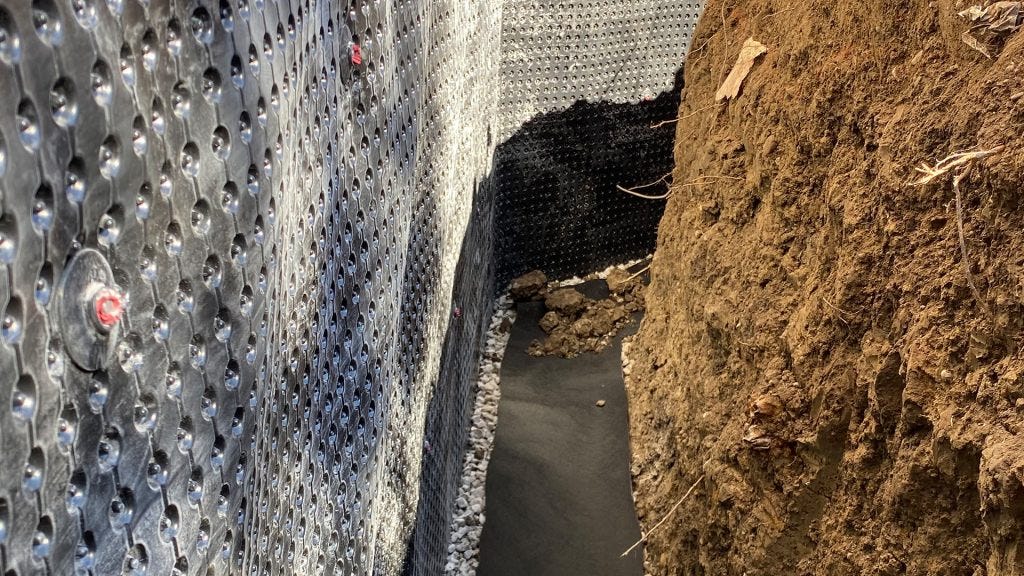
One of the primary reasons for adopting basement waterproofing is to defend the structure of your house. Water entry can weaken the stability of your home, leading to expensive fixes and potential safety hazards. By tackling water problems early on, residents can keep from extensive damage and maintain their property value. Additionally, good waterproofing can help boost your home's overall value, making it a smart financial decision.
There are multiple waterproofing methods available, including internal methods like waterproof paints and pumping systems to external strategies such as drainage solutions and land grading. Each approach has its own pros and effectiveness depending on the unique features of the house and the extent of the water issue. Understanding the distinctions between these methods is essential for choosing the right approach to ensure your cellar moisture-free and secure.
Common Obstacles and Approaches
A notable issue in the waterproofing of basements is finding the point of water leakage. Homeowners frequently observe moisture but are not clear if it is due to leaks, moisture buildup, or groundwater. A comprehensive inspection is necessary to identify the specific source. Remedies may include addressing broken gutters and downspouts, adjusting the grading near the foundation, or fixing any noticeable cracks. By comprehending the source, homeowners can adopt the best waterproofing measures.
A further typical problem is the success of do-it-yourself waterproofing methods. Many homeowners endeavor to resolve water problems on their own but may overlook critical aspects, such as drainage solutions or sump pumps. Though a few DIY techniques can help, they often lack durability. It is usually better to consult with professionals who can assess the situation comprehensively and suggest methods that suit individual homes. This provides assurance that the waterproofing solutions are both successful and tailored to the unique characteristics of the basement.
Ultimately, the care of waterproofing systems can be a challenge for many homeowners. As time goes on, systems like sump pumps and drainage channels may need maintenance to remain efficient. Regular checks and maintenance help to spot potential issues before they escalate. Homeowners should schedule routine checks, especially after intense storms or flooding, to confirm that their waterproofing systems are functioning properly and to extend their longevity. Keeping accurate records of maintenance can also assist in identifying trends that may need expert oversight.
Maintaining a Dry Cellar
To ensure your basement stays dry, it's essential to establish a consistent maintenance routine. Start by checking your basement for any signs of moisture or leaks. Be on the lookout for discoloration on walls, wet areas on the floor, or a musty odor, which can indicate hidden water issues. Make it a habit to check your gutters and downspouts as well, ensuring they are clear of debris and directing water at least six feet away from the foundation. https://rentry.co/kaphxdrr can significantly reduce the risk of water pooling near your basement.
Effective drainage systems play an essential role in maintaining a dry basement. Consider installing or maintaining a French drain or sump pump if your area is susceptible to heavy rainfall. Regular maintenance of these systems, such as testing the sump pump and ensuring that drains are clear, will help avoid water accumulation. Additionally, be aware of landscaping choices that may contribute to water pooling, such as planting trees or bushes too close to the foundation.
Lastly, monitor indoor humidity levels to ensure they remain low. Invest a dehumidifier if necessary, especially in more humid climates where moisture can easily build up. Ensure vents clear and make sure that air can flow freely throughout the basement. By being proactive with these practices, you can significantly reduce the risk of water issues and help safeguard your home’s foundation.