

As homeowners increasingly search for efficient and eco-friendly ways to ensure well-being in their residences, heat pumps have become as a viable solution. Providing a special mix of heating and cooling capabilities, heat pumps provide a versatile solution that can substantially improve home energy efficiency. If you are aiming to lower your carbon footprint or simply lower your energy bills, comprehending the benefits and features of heat pumps is important in supporting knowledgeable decisions for your home.
In the following text, we will examine the various aspects of heat pumps, studying areas such as installation and maintenance to their efficacy in colder climates and their potential to replace traditional heating systems. With the right information, you can ascertain if adopting a heat pump is the right choice for you, particularly as we look ahead to the changing landscape of home heating and cooling technology.
Understanding Heat Pumps
Heat pumps are innovative systems that move thermal energy from a location to a different area, making them adaptable for dual warming and cooling homes. By leveraging concepts of thermal dynamics, heat pumps can absorb heat from the ambient air or ground and transfer it inside during cooler months. Conversely, in milder weather, they can release heat from the home to cool down the living spaces. This dual functionality renders them an optimal choice for property owners seeking effective environmental management solutions.
One of the primary benefits of heat pumps lies in their ability to conserve energy. Unlike standard HVAC systems that produce heat by burning fuel or employing electric resistance, heat pumps move existing heat, which needs substantially less energy. This leads to lower energy bills and a reduced carbon footprint. With advancements in technology, numerous heat pumps now provide exceptional performance even in harsh temperatures, making them optimal for multiple climates.
When thinking about a heat pump for your home, it is essential to comprehend the different types available. Air source heat pumps pull heat from the ambient conditions, while ground-source models exploit the earth's stable temperature. Each has its advantages and disadvantages regarding setup expenses, efficiency, and suitability for specific locations. Grasping these distinctions helps property owners choose wisely that match their needs and budget.
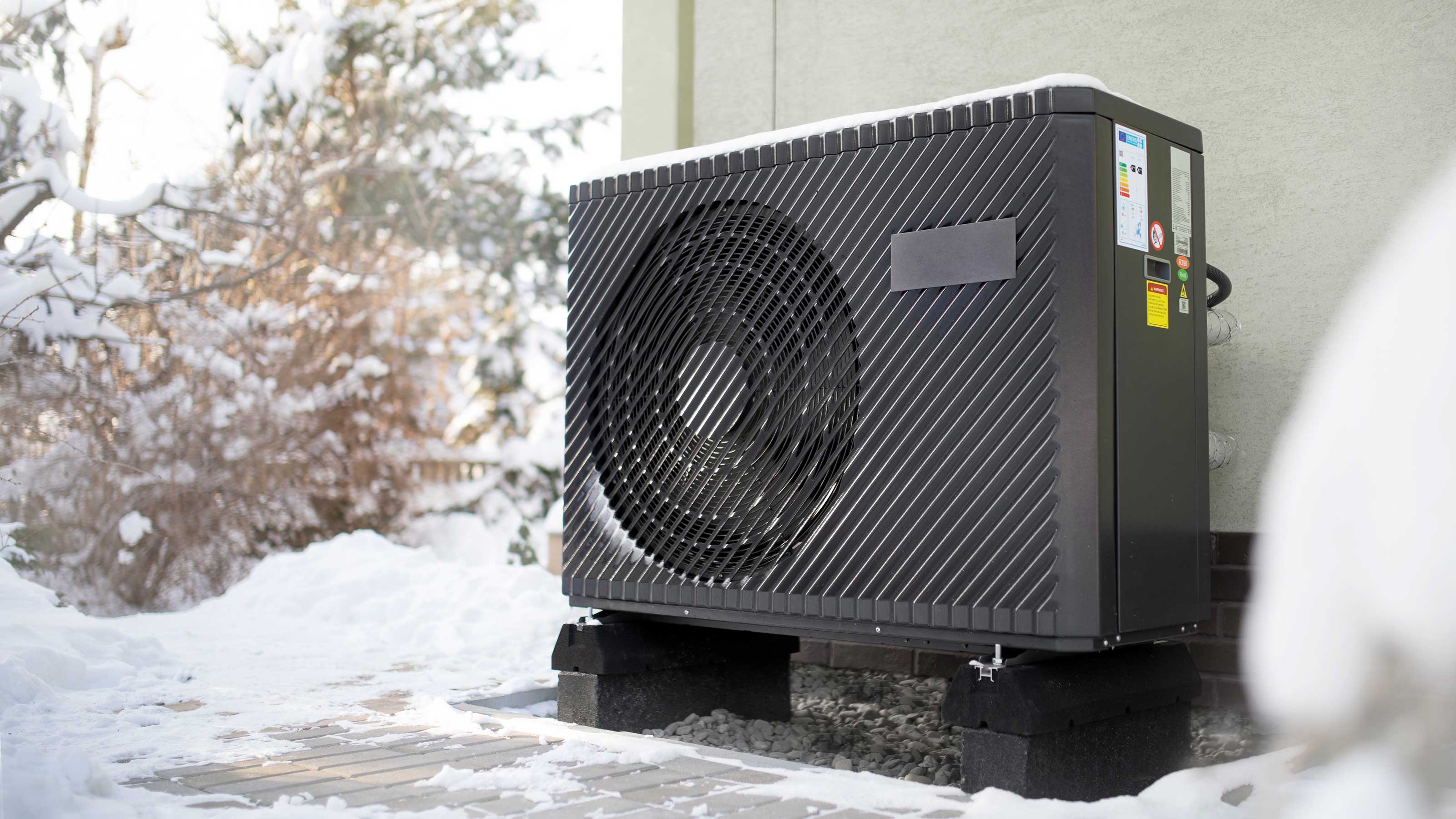
Effectiveness and Functionality Comparison
Heat exchangers are renowned for their high efficiency, offering a strong substitute to traditional HVAC systems. In contrast to furnaces that generate heat by combusting fuel, heat pumps transfer existing heat from the outside to the inside, leading to considerable energy savings. The efficiency of heat pumps is measured by their coefficient of performance (COP), which can typically range from 3 to 5, meaning they can produce three to five fold more energy in heating or cooling than the electricity they consume. This efficiency can lead to lower monthly energy bills, making heat pumps an appealing option for homeowners.
Contrasting heat pumps to traditional systems like gas or electric furnaces shows substantial differences in efficacy, especially in varying climates. In mild climates, heat pumps excel, maintaining pleasant indoor temperatures without consuming excessive energy. However, https://notes.medien.rwth-aachen.de/zHu0y1U7RpSEJjwjZnApgg/ can decrease in extreme cold, causing some systems to rely on supplementary heating. In regions such as the Rocky Mountains, where cold winters are common, understanding how heat pumps perform and their available options, such as dual-fuel systems, is crucial for optimal performance.
In conclusion, the movement toward heat pumps marks a significant trend in home heating and cooling as residents seek environmentally friendly and cost-effective solutions. While traditional HVAC systems have served well, advancements in heat pump technology and their ability to work with smart home systems make them more and more attractive. By weighing the performance and efficacy of heat pumps to traditional systems, homeowners can make educated decisions that lead to increased comfort and reduced environmental impact.
Setup and Care Guidelines
As evaluating a heat pump, grasping the establishment procedure is crucial for homeowners. A heat pump's effectiveness largely depends on its correct sizing and placement, which demands a thorough assessment of your home’s layout and insulation. It's suggested to work with a qualified installer who can perform a load calculation to determine the right size heat pump that meets your specific needs. Setup times vary, typically lasting from a day to several days, depending on the difficulty of the system and whether modifications to existing ductwork are needed.
Consistent maintenance is crucial to enhancing the lifespan and efficiency of your heat pump. Homeowners should schedule regular service checks at least at least once a year to replace the filters, check refrigerant levels, and inspect electrical components. During these service visits, technicians can also identify potential issues early, preventing costly repairs down the line. By keeping up with maintenance, you can boost efficiency and prolong the system's operational life, ensuring your home stays pleasant year-round.
One aspect to consider post-installation is the learning curve associated with new technology. Many modern heat pumps are integrated with smart thermostats that allow for better energy management. Learning with these systems can help you optimize performance and reduce energy bills. Additionally, grasping common troubleshooting techniques can empower homeowners to manage minor issues before they escalate. This preventive approach not only improves comfort but also ensures that the expenditure in a heat pump is worthwhile in the long run.