

Within the current fast-paced world, effective waste removal methods have become more crucial than ever. The way we handle our trash not just impacts our immediate environment but also has widespread consequences for the environment and public health. Unfortunately, numerous people and companies still overlook the hidden costs associated with inadequate waste management, from risks to environmental harm. Correct waste disposal is an essential part of keeping sanitary and wholesome communities, and understanding its importance can help avert problems in the future.
Choosing the appropriate waste removal service is crucial, whether you are a property owner, a entrepreneur, or engaged in building. Given so many choices available, it can be daunting to navigate the many services available. However, making informed choices can lead to substantial environmental benefits and greater sustainability. In this piece, we will explore the numerous aspects of waste removal, highlighting the pitfalls of inadequate practices and outlining the best methods to ensure responsible waste management. By shedding Continue reading on the multiple layers of waste removal, we can uncover how these methods affect our neighborhoods and the Earth.
Choosing the Best Waste Removal Company
When selecting a waste removal service, it’s important to evaluate their image and experience in the field. Look into local companies, read customer reviews, and seek recommendations from neighbors or family. A reliable service will not only have a track record of dependability but also demonstrate competence in their operations. Confirming they have the required licenses and insurance is key for avoiding any surprising liabilities.
Next, assess the variety of services available by the waste removal company. Some providers focus in specific types of waste, such as construction debris or toxic waste, while others provide full solutions that cover home, office, and industrial waste. It is essential to select a service that caters to your specific requirements and can handle the type of waste you produce. Additionally, search for providers that implement responsible disposal techniques, which align with green practices.
Finally, pricing is a major factor in selecting the best waste removal company. Ask for quotes from multiple providers to evaluate their rates and see what services are part of the package. Be wary of exceptionally low prices, as they may indicate subpar service or hidden fees. Make sure you understand the payment structure, including any extra costs that could come up, such as for bulk pickups or specific types of waste. Taking a well-informed decision will help you find a trustworthy and efficient waste removal service provider for your needs.
Environmental Advantages of Sustainable Garbage Disposal
Responsible garbage management plays a critical role in safeguarding our ecosystem. By ensuring that waste is handled correctly, we can significantly reduce contamination in our air, liquid resources, and land. When garbage is thrown away incorrectly, toxic substances can filter into the environment, causing irreversible damage. In contrast, sustainable management practices help maintain the health of our natural systems, encouraging biodiversity and sustaining wildlife habitats.
Another significant advantage of effective waste disposal is the reduction of dump overflow. When localities implement efficient waste disposal practices, the volume of waste sent to dumps declines. This not only saves space in existing dumps but also minimizes the need for new dump sites, which can disrupt natural landscapes. Moreover, reduced dump waste translates into decreased GHG output, particularly CH4, which is a byproduct of organic waste decomposition.
Lastly, responsible garbage management promotes recycling and organic recycling initiatives, further improving ecological sustainability. By diverting garbage from dumps and supporting the reuse of materials, we can conserve natural resources and minimize the resources required to produce additional products. This loop of reuse and responsible management not only supports a healthy planet but also cultivates a culture of sustainability that benefits present and upcoming societies.
Typical Mistakes in Waste Management
One of the most significant mistakes residents make in waste management is a misunderstanding regarding what is acceptable for disposal in household garbage. Many people neglect to segregate recyclable materials from general waste, leading in increased landfill use and lost resources. Items like plastics, glass, and metals can be reused but are often thrown away, missing the opportunity to lower environmental damage and save resources.
A further error is neglecting the importance of hazardous waste disposal. Many residents and businesses do not acknowledge the dangers posed by materials such as battery packs, toxic substances, and electronic waste. Disposing of these items improperly can lead to significant environmental and risks to health, underscoring the need for correct procedures and specific sites for hazardous waste.
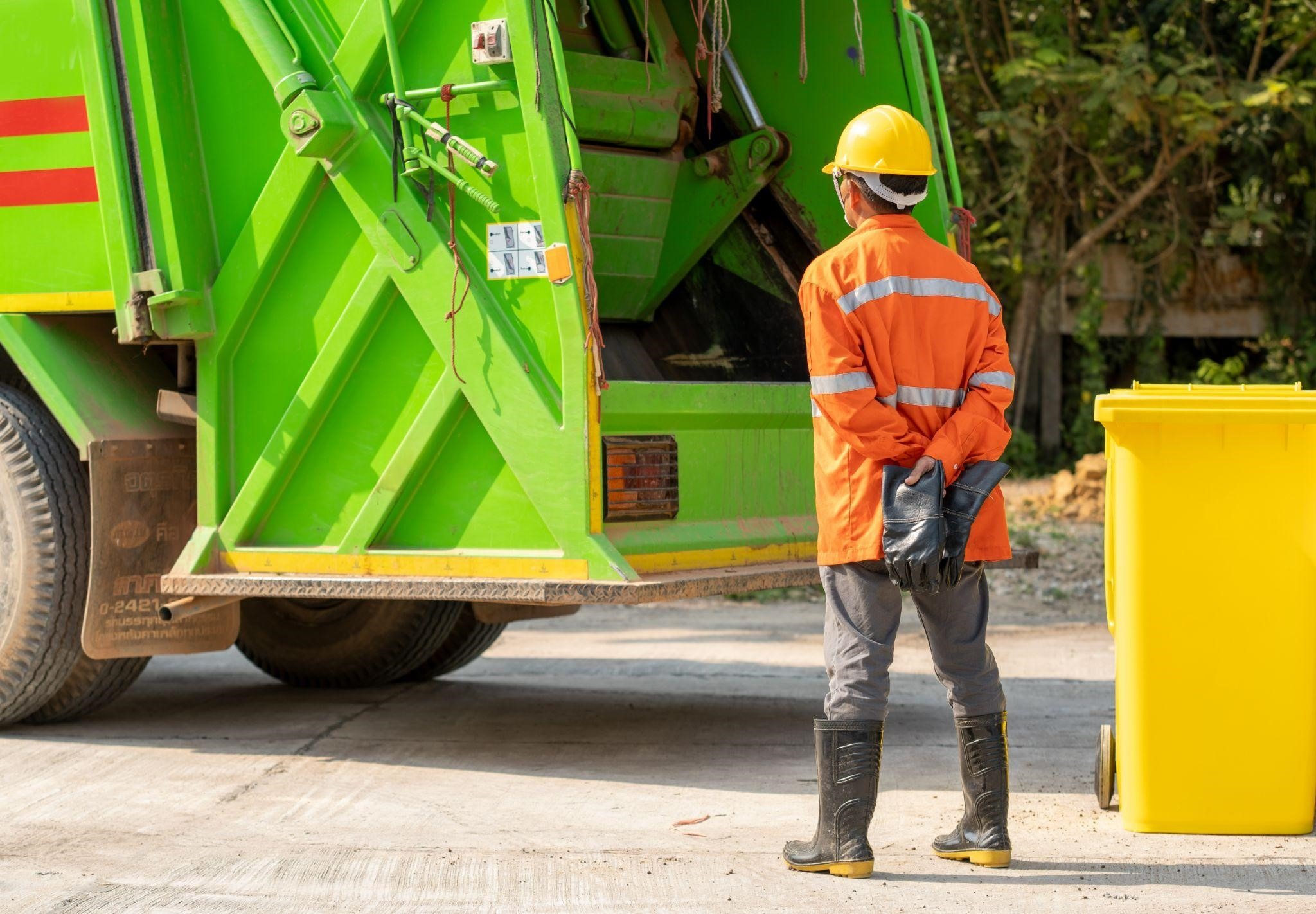
At last, neglecting to schedule regular waste removal services can cause issues with waste accumulation that affect both sanitation and health. Rare pickups can lead to full containers, drawing in pests and creating eyesores in communities. Creating a reliable waste removal routine can help maintain community cleanliness, prevent infestations, and guarantee that both domestic and industrial properties follow health regulations.