

In recent years, the shift to solar power has transformed the way we view energy, offering homeowners a eco-friendly and affordable alternative to conventional power sources. With advancements in technology and a increasing awareness of environmental issues, more homeowners than ever are considering solar panels as a feasible energy solution for their homes. This shift not only contributes to a more sustainable planet but also offers a distinct opportunity for financial savings and energy independence.
As you explore the world of solar energy, you may have inquiries ranging from the functionality of solar panels to the financial rewards available for setting up. Whether you're a interested homeowner or someone ready to make the leap, grasping the ins and outs of solar energy will empower you to make informed decisions. In this article, we will explore everything from the pros of investing in solar panels to the phased process of installation, helping you to tap into the power of the sun efficiently.
Why Invest in Solar Panels?
Putting your money in solar panels is a highly effective method to reduce your energy bills while contributing to a more sustainable future. With climbing electricity costs and heightened awareness of environmental issues, many homeowners are considering solar energy as a realistic solution. Solar panels utilize energy from the sun, allowing you to produce your own electricity and possibly save thousands of dollars over the duration of the system. This investment not just benefits your wallet but also assists reduce greenhouse gas emissions, leading to a positive impact on the planet.
An additional reason to consider solar panels is the range of government financial incentives and tax credits provided to homeowners. In many regions, these monetary advantages significantly lower the initial installation costs, making solar energy more attainable. Additionally, many utility companies provide rebates for solar installation, enhancing the total return on investment. By utilizing Battery Storage Chinnor , homeowners can accelerate their savings and reduce the payback period of their solar systems.
Furthermore, installing solar panels can raise the value of your home. As renewable energy becomes more valuable, homes fitted with solar systems are often seen as more appealing to potential buyers. Studies show that properties with solar panels can fetch higher sale prices and may sell more promptly than those without. This additional value makes solar panels not just an energy solution but also a wise real estate investment for the future.
Understanding Solar Energy Installation
Setting up solar panels on your home can look like a daunting task, but it is a simple process that can lead to substantial energy savings. The initial step in the installation process involves assessing your energy needs and reviewing your roof's suitability. A qualified installer will conduct a site survey to determine the best location for the panels, ensuring they receive the most sunlight exposure throughout the day. They will also consider any local regulations or homeowners' association rules that could affect the installation.
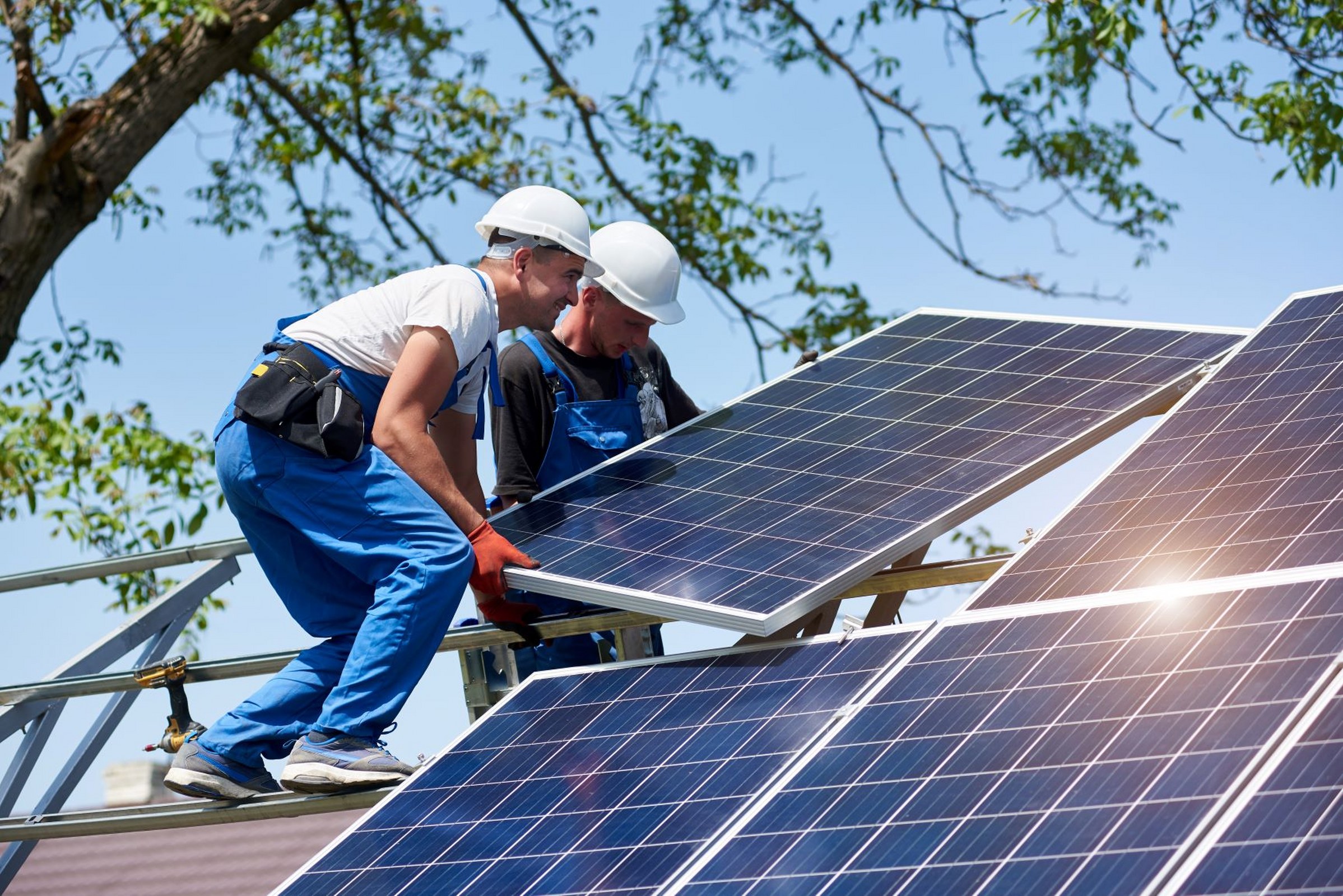
Once the assessment is complete and permits are obtained, the actual installation begins. Installers will secure mounting brackets to your roof, secure the solar panels to those brackets, and join the panels to your electrical system. This step often involves running electrical wiring from the panels to an inverter, which converts the solar energy into electricity that can be used in your home. Safety is a priority during this phase, and certified installers have the expertise to manage any challenges that may arise.
After the panels are installed, the system will undergo testing to ensure everything is running properly. It is crucial to schedule a final inspection to verify that the installation meets all applicable codes and standards. Once the system clears inspection, it can be connected to the grid or your home energy system, depending on whether you have opted for a grid-tied or off-grid system. Proper installation not only optimizes the efficiency of your solar panels but also helps to ensure their longevity and performance over time.
Advantages of Solar Power for Homeowners
Committing in solar energy greatly diminishes electricity bills, enabling homeowners to save money over time. Due to the falling cost of solar panel installation, many can experience substantial savings over a short period. Additionally, many regions provide benefits like tax credits and rebates, further enhancing the financial benefits of going solar. By generating your own electricity, you also safeguard yourself from escalating energy costs in the future.
An additional major benefit of solar energy is its beneficial effect on property value. Homes equipped with solar panels are usually more attractive to buyers, as they promise lower utility costs and a more sustainable lifestyle. Studies have shown that properties with solar installations tend to sell for a higher price compared to those without. This indicates that investing in solar panels not only provides immediate savings but could also generate a favorable return on investment if you consider to sell your home.
Furthermore, solar energy plays a role to a more sustainable future by considerably lowering your carbon footprint. By capturing the power of the sun, homeowners can lower their reliance on fossil fuels and lower greenhouse gas emissions. This aligns with the mounting awareness of environmental issues and the importance of sustainable living. Utilizing solar energy is a step towards environmental responsibility, helping to combat climate change while supplying reliable energy for your home.