

Electrical evaluations have a vital function in maintaining the security and effectiveness of houses and establishments. As we depend more on power systems for routine tasks, understanding the significance and nuances of these inspections becomes crucial. Whether you are a recent home purchaser, a long-time property owner, or running a commercial space, being cognizant of the typical mistakes associated with electrical inspections can assist you in steering clear of costly mistakes and ensure the protection of your space.
In this article, we will examine what electrical inspections entail, when and why they are needed, and the most common issues that occur during these assessments. We'll also look into how electrical inspections can boost safety, increase energy efficiency, and secure your investment in both homeowner and commercial contexts. By being aware, you can make certain that your property remains safe and in accordance with up-to-date laws.
Grasping Power Evaluations
An electrical inspection is a detailed examination of a structure's power system to ensure it meets current safety regulations, guidelines, and requirements. These evaluations are carried out by certified specialists who inspect various elements, including cabling, circuit breakers, outlets, and grounding systems. The core aim is to identify any prospective dangers that could pose risks such as shock hazards, fires, or damage to devices.
Inspections are crucial for ensuring security in houses and commercial establishments. They help reveal underlying problems that may not be noticeable to the untrained eye, such as old electrical systems or overloaded circuits. By addressing these problems early on, homeowners and managers can prevent costly costs and enhance the durability of their power infrastructure. Inspections also play an essential part when homes are acquired or dealt, ensuring compliance with regulations.
Routine electrical evaluations contribute to total energy conservation as well. By detecting defective connections or suboptimal systems, they enable for upgrades that can lead to lower energy use. This not only aids in cutting on energy costs but also fosters environmental sustainability. In the end, grasping the importance of electrical inspections is crucial for anyone seeking to guarantee the protection and functionality of their power setups.
Recurring Concerns and Hazardous Situations
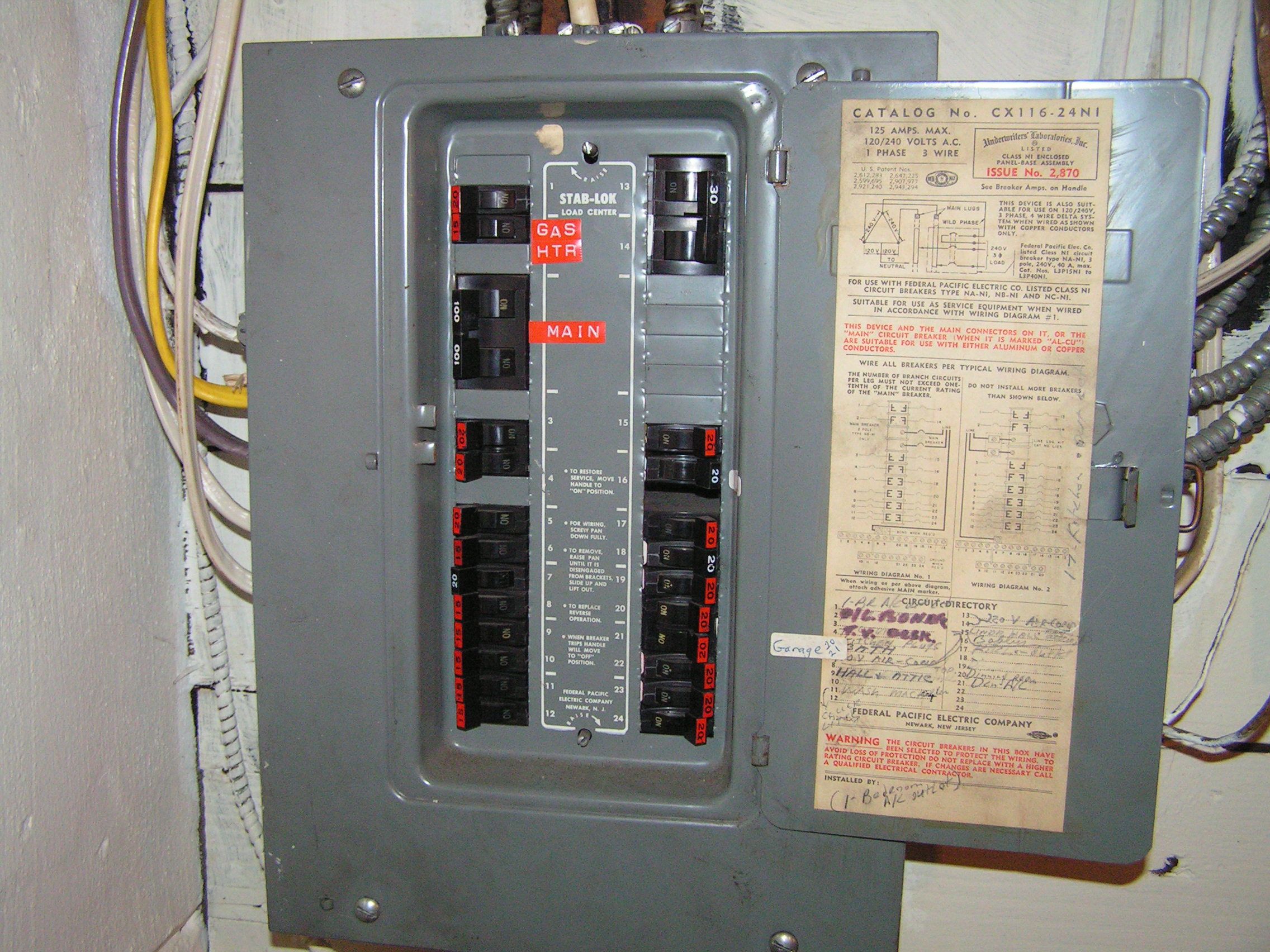
During electrical inspections, a variety of common issues often surface that can create safety hazards. One of the most common problems are old wiring systems that are not up to current codes and standards. This can lead to inadequate power supply and increased risk of overheating or fires. Moreover, loose connections and problematic circuits can create dangerous conditions, leading to potential shocks or short circuits that can jeopardize both protection and property.
A further major concern is the presence ungrounded outlets, which not only breach electrical codes but also increase the risk of electric shock. Inadequate grounding can result in appliances operating incorrectly or shutting down in case of a fault. Also, improper or absent surge protection can leave electronic devices vulnerable to damage from power surges, leading to costly repairs or replacements.
Lastly, electrical panels that are not in accordance with regulations can present serious safety risks. Panels that are overloaded or without correct tags can make it hard to manage electrical loads properly. This can lead to overheating, potential fires, and greater chances of equipment failures, making it essential for property owners and businesses alike to make a priority regular electrical inspections to resolve these frequent concerns and safeguard a safe environment.
Readiness and Compliance
Getting ready for an electrical inspection involves several key steps that can help ensure a smooth process. Homeowners ought to start by evaluating their electrical system and identifying any visible issues, such as damaged wires or intermittent lighting. It's crucial to tidy up the inspection area, to allow the inspector to reach the main panel, sockets, and other essential parts of the system's framework. Additionally, owners need to collect any relevant documentation, such as past reports or electrical work permits, to offer the evaluator with a complete view of the property's electrical background.
Compliance with local codes and standards is crucial for a successful inspection. EICR Certificates Fife need to learn with the specific electrical codes applicable in their locale, as these can differ widely. Making sure that any previous electrical tasks was done by licensed professionals and adheres to the most recent standards can prevent issues during the inspection. If any significant renovations or installations have occurred, it may be beneficial to verify that they were inspected and authorized by the pertinent local offices.
Finally, it's advantageous to maintain open communication with the inspector during the process. Homeowners should be prepared to inquire and discuss concerns they may have regarding their electrical system. Understanding what the evaluator is looking for can provide valuable insights into ongoing maintenance and required improvements. Through proactive measures in preparation and following regulatory standards, property owners can facilitate a thorough evaluation that enhances safety and efficiency in their systems.